Skip to main content








Color Exterior
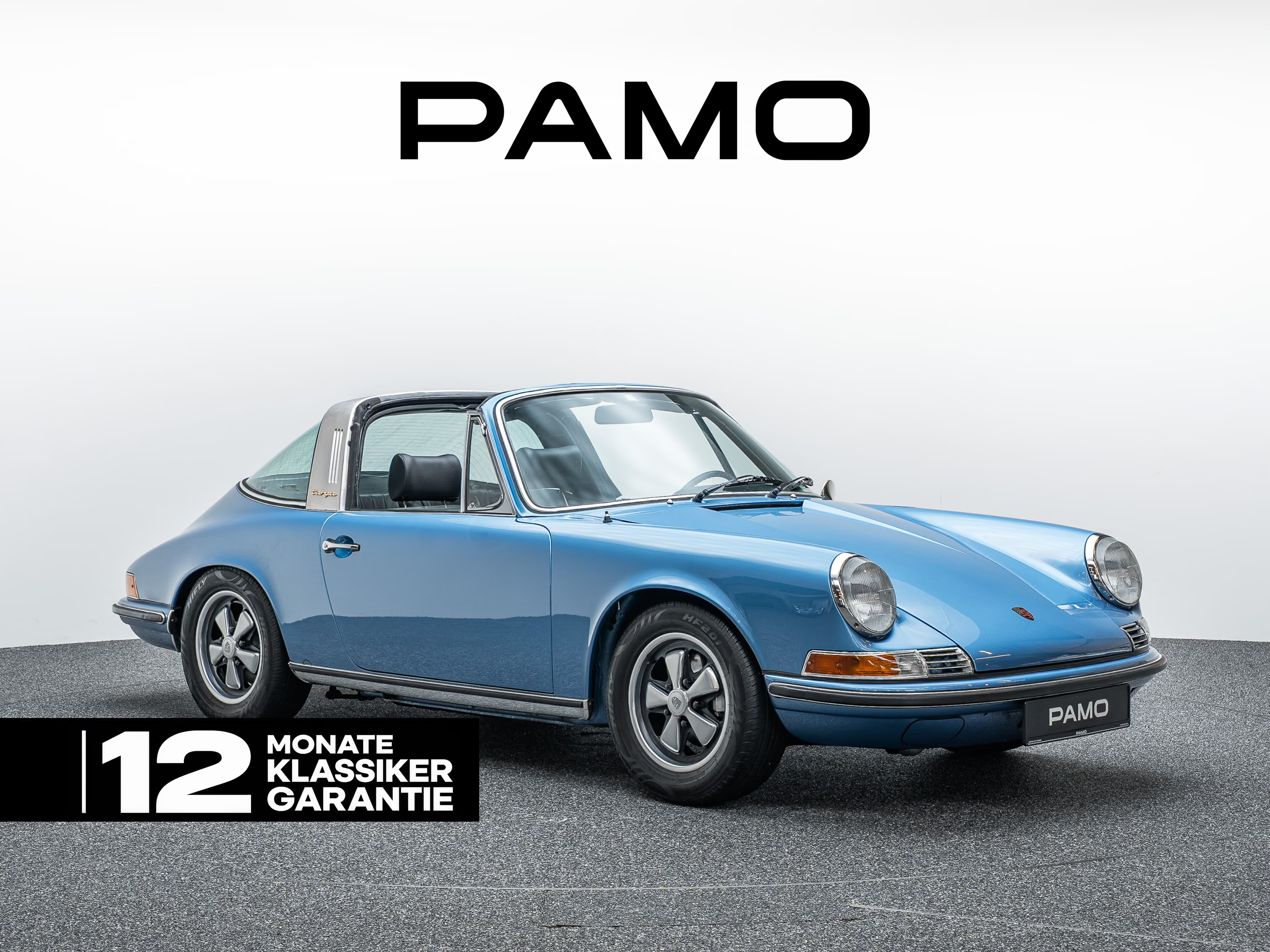
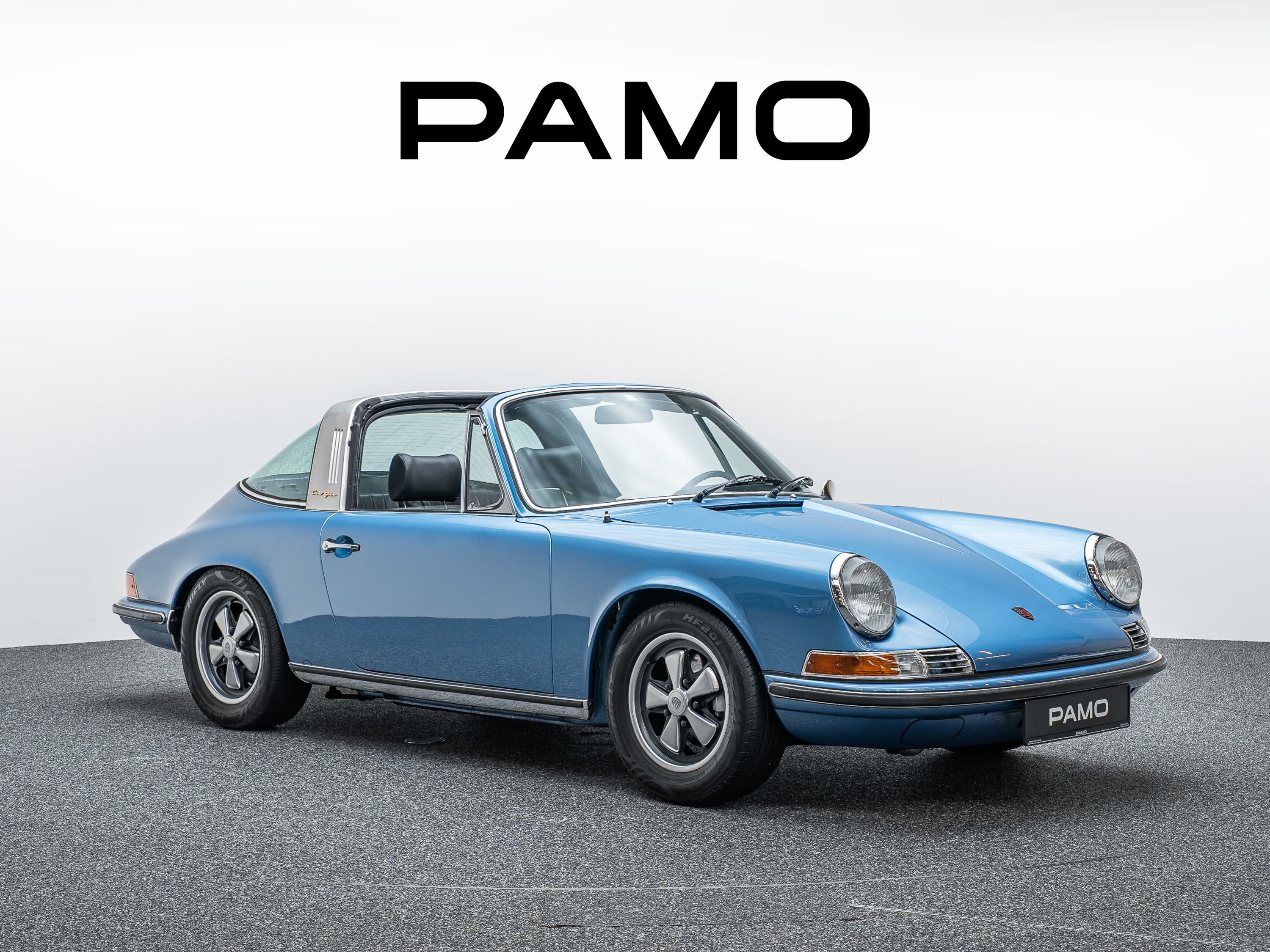
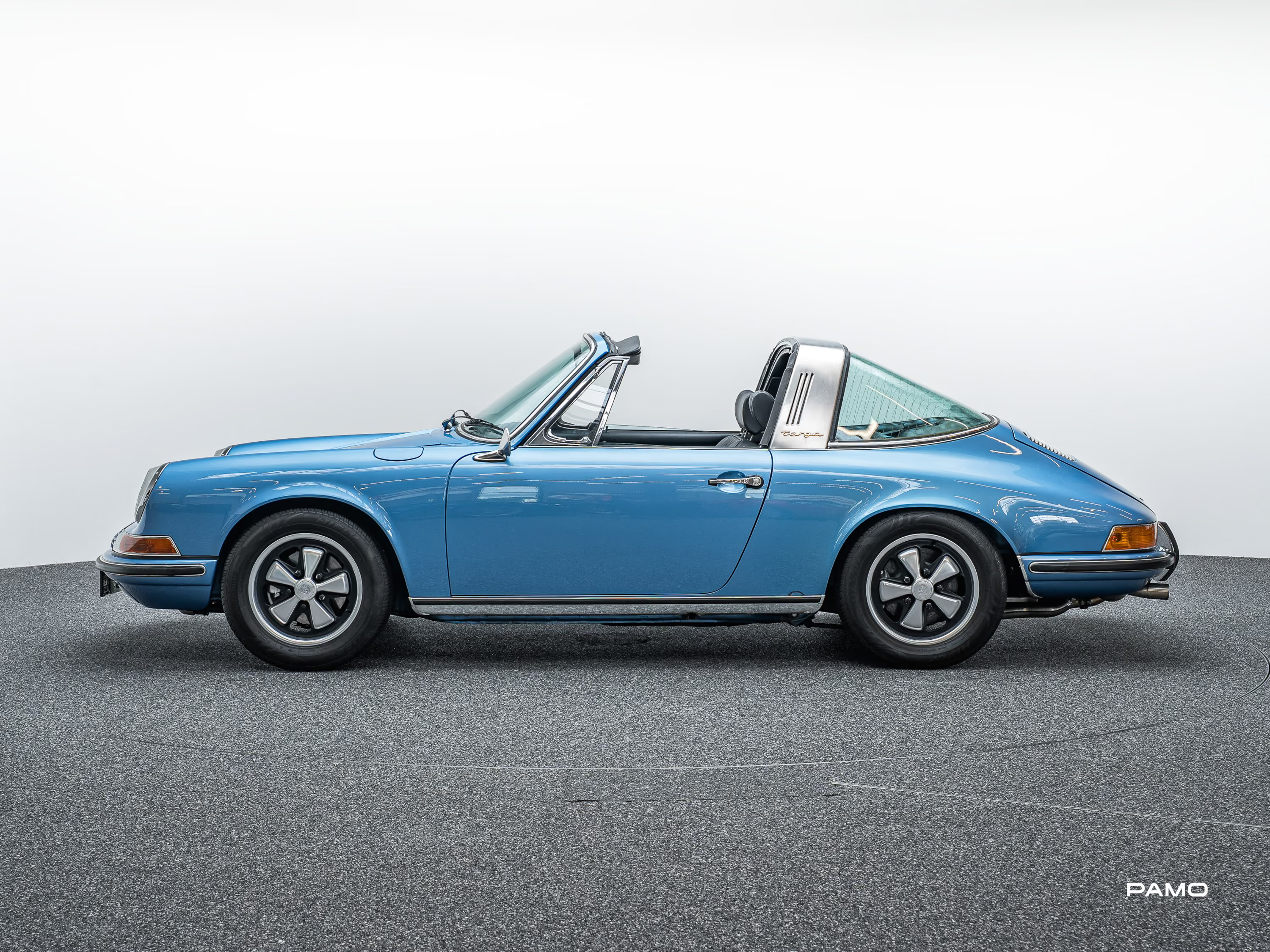
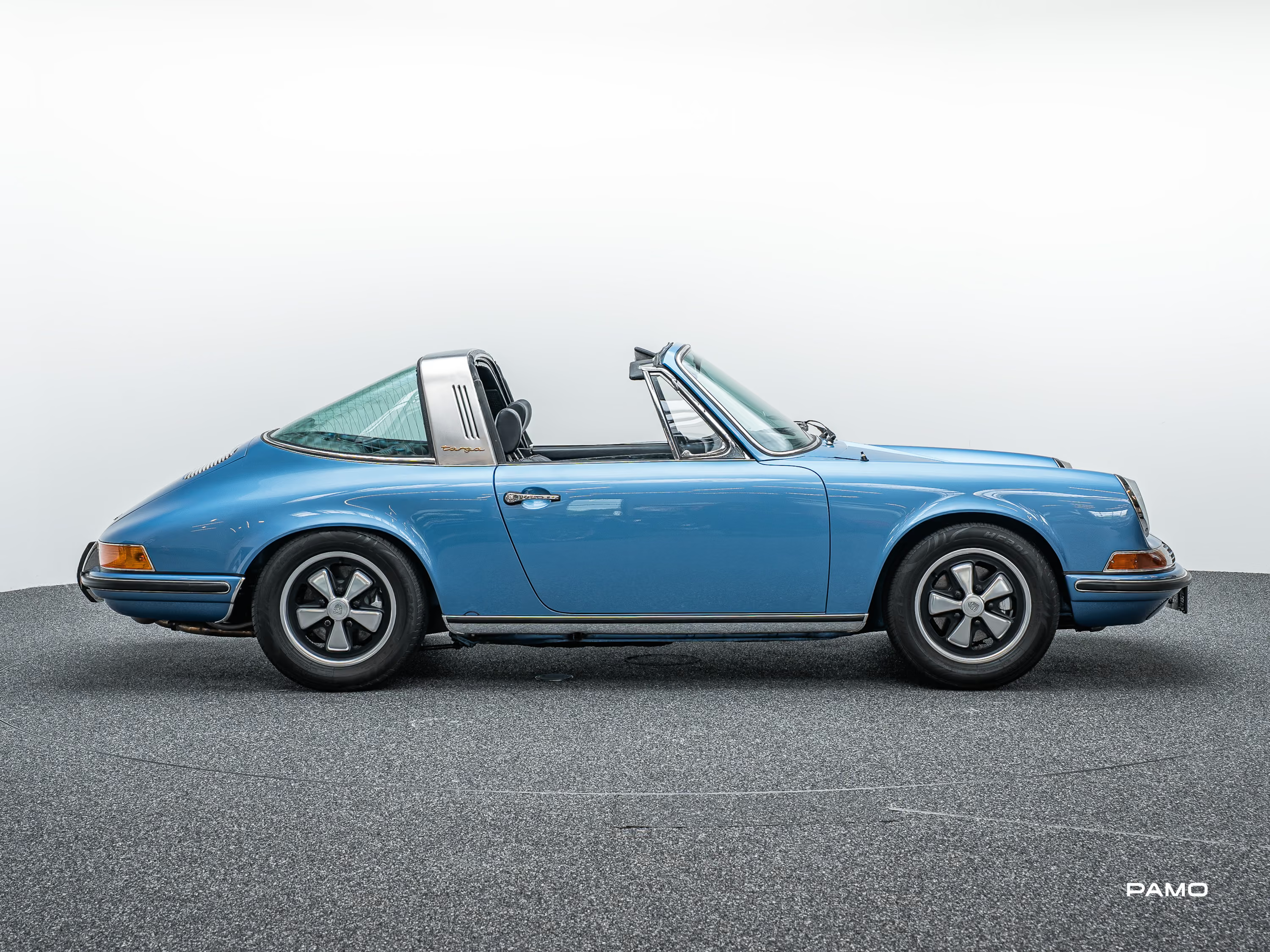
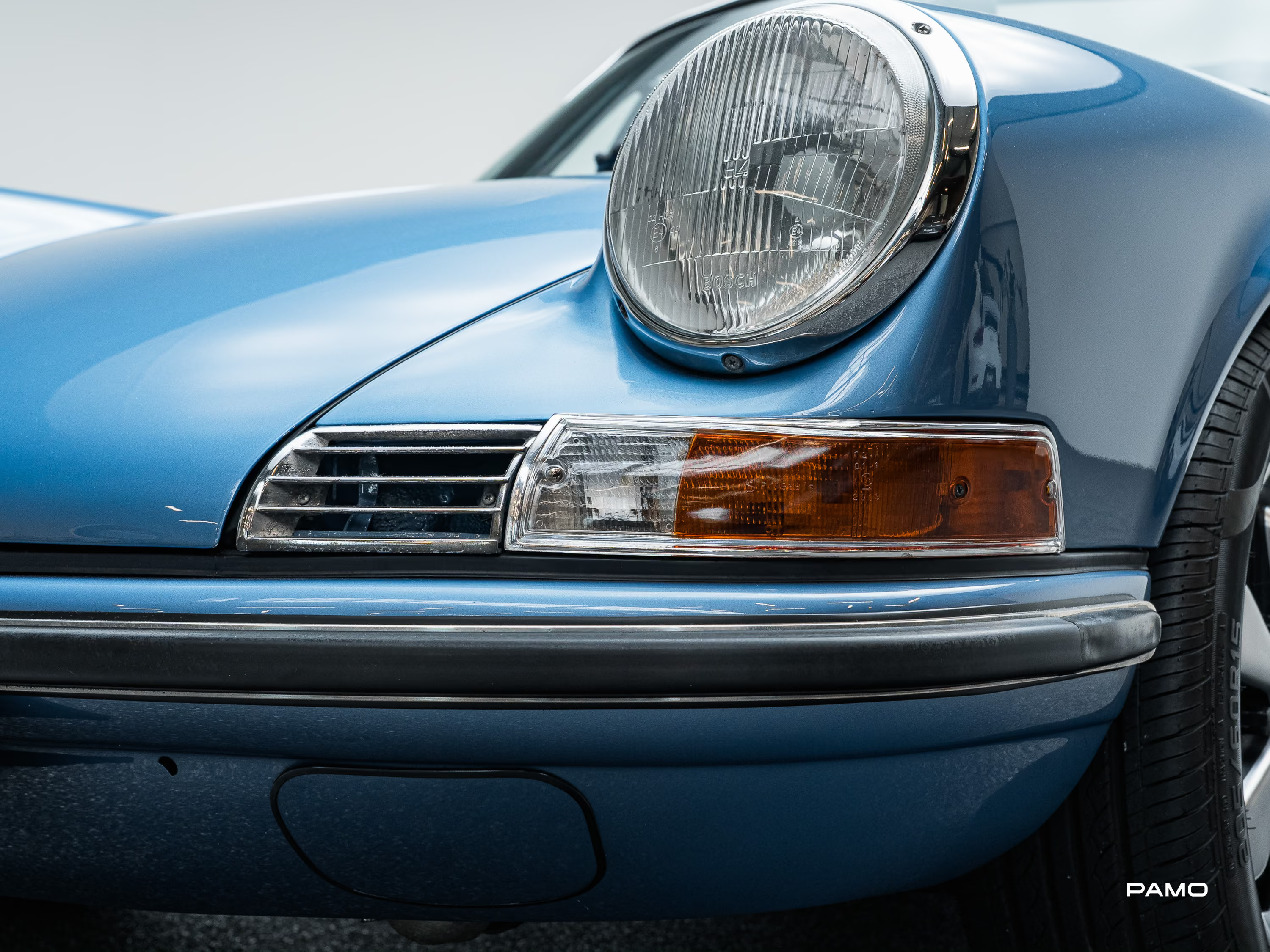
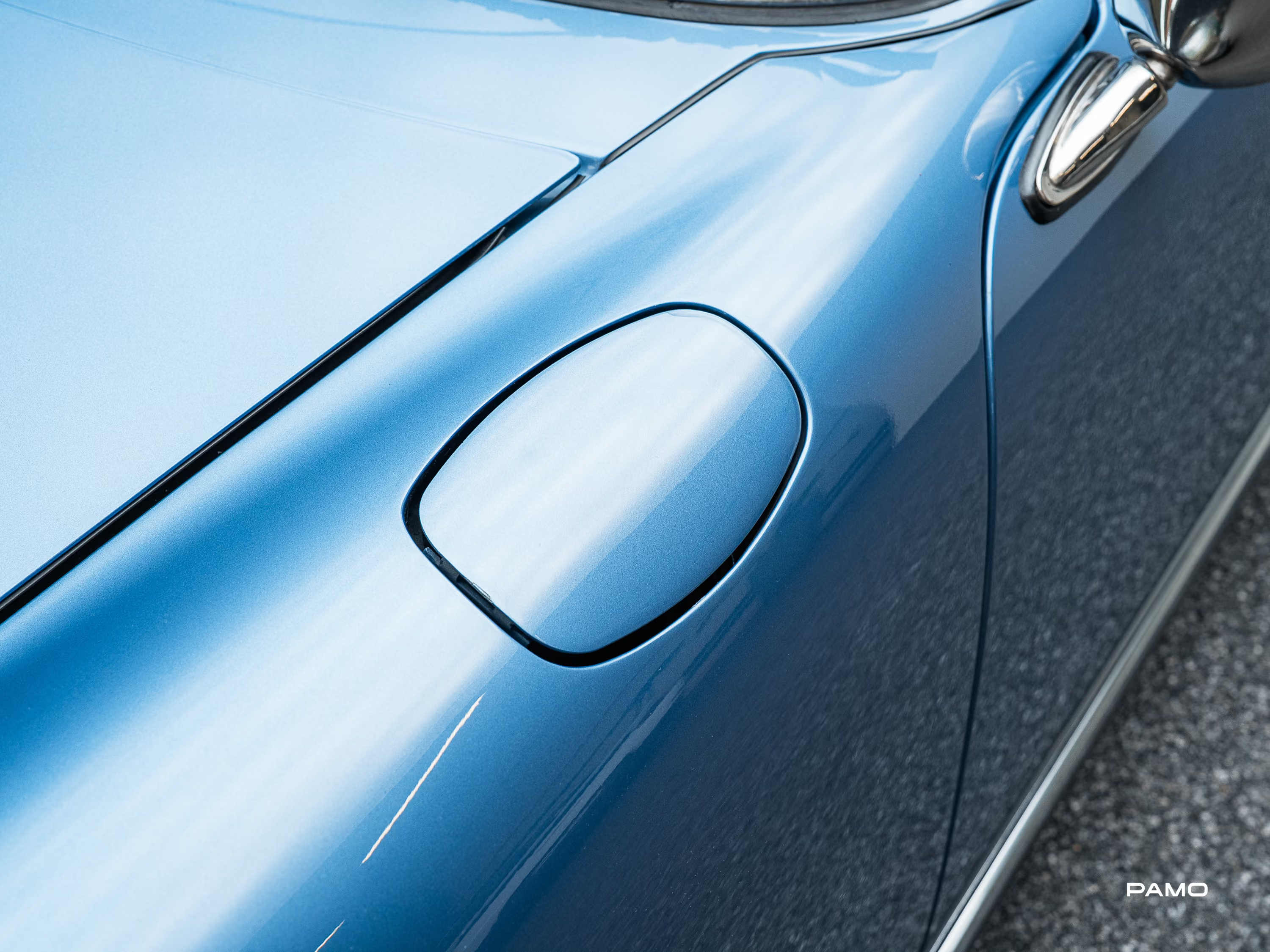
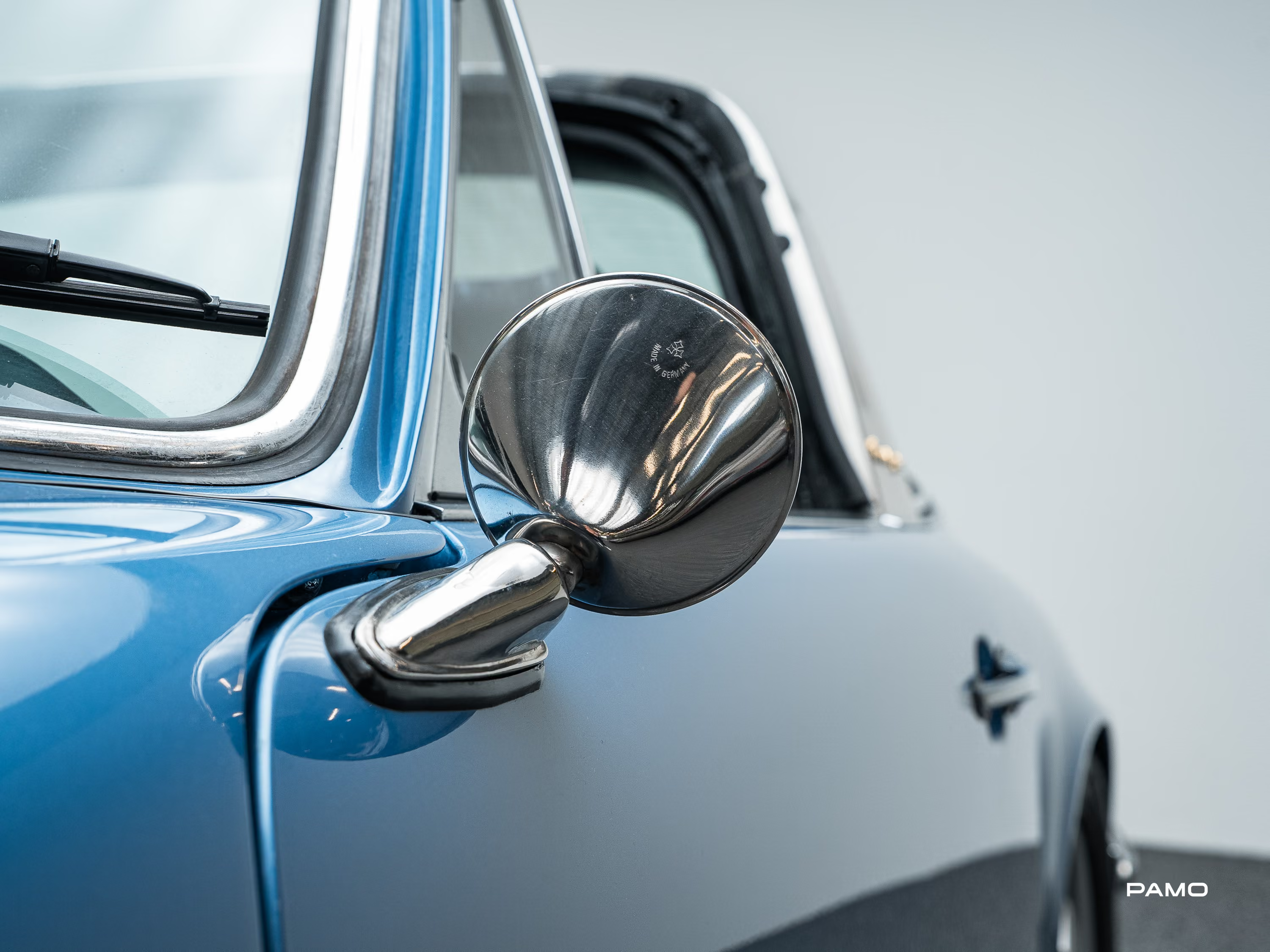
This beautiful and also rare Porsche 911 S 2.2 Targa is in exceptionally good condition. The car has apparently been extensively restored. The Gemini Blue colour scheme fits the vehicle perfectly. In 2018, an engine overhaul was carried out by a Dutch Porsche specialist.
Special feature: Only 729 2.2 S Targa were built.
Historical Cultural Property Porsche 911:
The Porsche 911 is the successor to the Porsche 356 and was presented in 1963 at the IAA in Frankfurt am Main, where it was still the 901. With the 911, the tradition at Porsche of marketing all vehicles under the internal development number continued. The 911 represents a major development step compared to the Porsche 356 of the time. This applies to the entire vehicle design and especially to the engine. The model designation -901- had to be discarded, as Peugeot had already secured the rights to all three-digit numbers with the -0- in the middle. The car was larger and also more spacious inside than the 356. The window areas were larger and allowed a better all-round view, which contributed to greater road safety. The wheelbase was increased and made it possible to travel more comfortably for the 60s than with its predecessor. The trunk, which is located at the front of the Porsche 911, also grew. It is said that when Ferdinand Alexander Porsche designed the body of the car, it was also a requirement to be able to accommodate at least one set of golf clubs there, as the typical Porsche clientele missed something like this in the 356. The main criterion for the body was above all to achieve a high level of recognition with the Porsche 356 of the time. Likewise, the location of the engine in the rear was a fixed criterion that was in the specifications of the body developers. Together with Erwin Komenda, who had already had a significant influence on the development of the Porsche 356, Ferdinand Alexander Porsche brought out the design of the 911, which remained untouched for almost 30 years. The so-called original model itself was built until 1972 in various equipment variants (T, L, E and S), as well as body shapes (Coupé and from 1966 the Targa). The T trim level stands for Touring, the 911 entry-level model. The L (1968) and E (1969-1973) variants meant luxury and injection respectively and were more powerful and better equipped than a 911 T. In the top model Porsche 911 S, the S stood for Sport. As with the 356, the engine was an air-cooled boxer engine. Instead of the four cylinders in the previous model, six cylinders with a displacement of 1991 cc (2 litres) were now used. The reason for the increase in the number of cylinders was, on the one hand, that the four-cylinder boxer engine of the Porsche 356 could no longer be further developed at an economically justifiable cost, and on the other hand, the fact that a six-cylinder engine runs more smoothly and thus contributes to comfort. Of course, the power and displacement grew steadily, so that the data in the following paragraph only apply to the first production version from 1963/64:The output of this engine is 96 kW (130 hp) at a speed of 6100 rpm. Dry sump lubrication was implemented to cool the engine and lubricate the moving engine components. The engine also has a large fan for engine cooling, which visually dominates the engine compartment. The petrol-air mixture preparation is carried out via two Solex triple carburettors. During the facelift, the displacement of the 911 was first increased to 2.2 litres, later to 2341 cc (2.4 litres) and in the Carrera RS even to 2687 cm³ (2.7 litres) with a corresponding increase in power. The dashboard was revised compared to that of the 356 and adapted to the taste of the 60s. The position of the ignition key to the left of the steering column was retained. The position of the ignition key on the left comes from historic racing, in which the racing cars were parked next to the race track at the start and the drivers first had to walk to their cars and then start them. Since a key positioned to the left of the steering wheel can be operated more quickly when getting in, many racing cars were equipped in this way to gain time. Porsche wanted to create a reference to motorsport for the production models as well. Behind the steering wheel of the Porsche 911 are five instruments. The rev counter dominates in the middle, and to the left of it are the instrument clusters for fuel tank capacity, engine temperature and oil temperature/oil pressure. On the right side are the speedometer and the analogue clock.
This beautiful and rare Porsche 911 S 2.2 Targa is in exceptionally good condition. The car has apparently undergone extensive restoration. The Gemini Blue paint job complements the vehicle perfectly. In 2018, the engine was overhauled by a Dutch Porsche specialist.
Special feature: Only 729 2.2 S Targa models were built.
Porsche 911: A Piece of Automotive Heritage:
The Porsche 911 is the successor to the Porsche 356 and was unveiled in 1963 at the IAA in Frankfurt am Main, where it was still known as the 901. With the 911, Porsche continued its tradition of marketing all vehicles under their internal development numbers. Compared to the Porsche 356 of that era, the 911 represented a major leap forward in development. This applied to the entire vehicle design and, in particular, to the engine. The model designation “901” had to be abandoned because Peugeot had already secured the rights to all three-digit numbers with a “0” in the middle. The car was larger and also more spacious inside than the 356. The window areas were larger, providing better all-around visibility, which contributed to greater road safety. The wheelbase was lengthened, allowing for a more comfortable ride in the 1960s than its predecessor. The trunk, located at the front of the Porsche 911, also grew in size..It is said that when designing the car’s body, Ferdinand Alexander Porsche also made it a requirement that it be able to accommodate at least one set of golf clubs, since the typical Porsche clientele felt this was missing from the 356. The main criterion for the body was, above all, to achieve a high degree of visual similarity to the Porsche 356 of that time. Likewise, the rear-mounted engine was a fixed requirement specified in the body developers’ specifications. Together with Erwin Komenda, who had already played a key role in the development of the Porsche 356, Ferdinand Alexander Porsche created the design of the 911, which remained virtually unchanged for nearly 30 years. The so-called “original model” itself was produced until 1972 in various trim levels (T, L, E, and S) and body styles (coupé and, starting in 1966, the Targa). The T trim level stands for “Touring,” the entry-level 911 model. The L (1968) and E (1969–1973) variants stand for “Luxury” and “fuel-injected,” respectively, and were more powerful and better equipped than a 911 T. In the top-of-the-line Porsche 911 S, the “S” stands for “Sport.” The engine was, as in the 356, an air-cooled flat-six. Instead of the four cylinders in the predecessor model, it now featured six cylinders with a displacement of 1,991 cm³ (2 liters).The reason for increasing the number of cylinders was, on the one hand, that the four-cylinder boxer engine of the Porsche 356 could no longer be further developed at a cost that was economically justifiable, and, on the other hand, the fact that a six-cylinder engine runs more smoothly and thus contributes to comfort. Power and displacement naturally increased steadily, so the specifications in the following paragraph apply only to the first production version from 1963–64: This engine produces 96 kW (130 PS) at 6,100 rpm. A dry-sump lubrication system was implemented to cool the engine and lubricate its moving parts. The engine also features a large cooling fan, which dominates the engine compartment visually. The fuel-air mixture is prepared by two Solex triple carburetors. During model updates, the 911’s displacement was first increased to 2.2 liters, later to 2,341 cm³ (2.4 liters), and in the Carrera RS even to 2,687 cm³ (2.7 liters), with a corresponding increase in power. The dashboard was redesigned compared to that of the 356 and adapted to the tastes of the 1960s. The position of the ignition key to the left of the steering column was retained. The left-hand position of the ignition key originates from historic racing, where race cars were parked alongside the track at the start, and drivers first had to walk to their cars and then start them.Since a key positioned to the left of the steering wheel can be operated more quickly when getting into the car, many race cars were equipped this way to save time. Porsche also wanted to establish a connection to motorsports for its production models. Behind the steering wheel of the Porsche 911 are five instruments. The tachometer dominates the center, with the gauges for fuel level, engine temperature, and oil temperature/oil pressure located to its left. On the right side are the speedometer and the analog clock.
We would also be happy to provide you with a customized leasing or financing offer.
Upon request, we can enhance your vehicle purchase with a high-quality paint protection film or ceramic coating—applied in our own detailing studio.
Learn more at: www.pamo-autopflege.de
Subject to prior sale and changes in equipment.
Please feel free to contact us for more information.
SELL WITH US


VISIT US
Got questions? Come by or call us.
Tel.: +49 7773 938 7730
Mail: info@pamocars.com