Skip to main content










Color Exterior
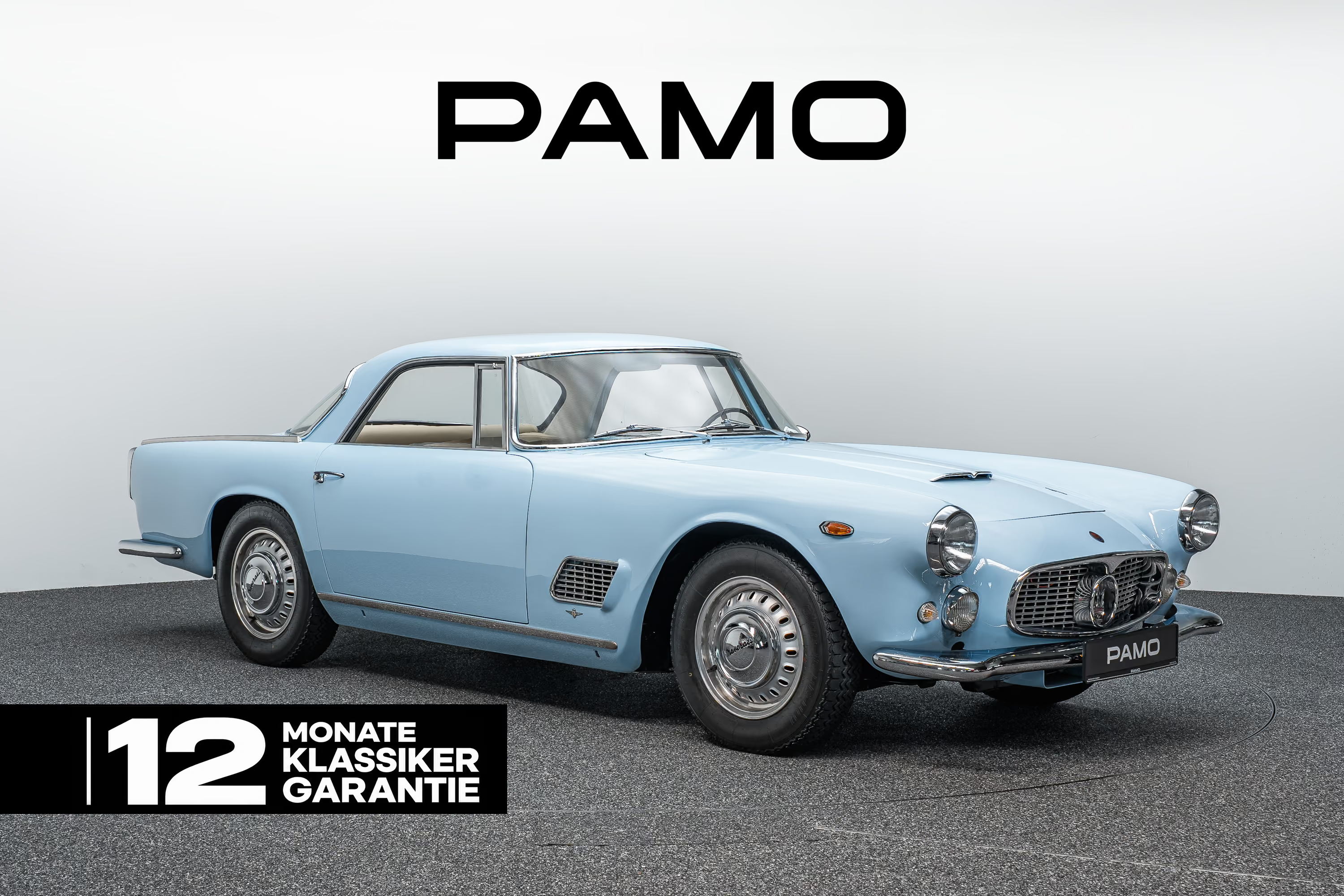
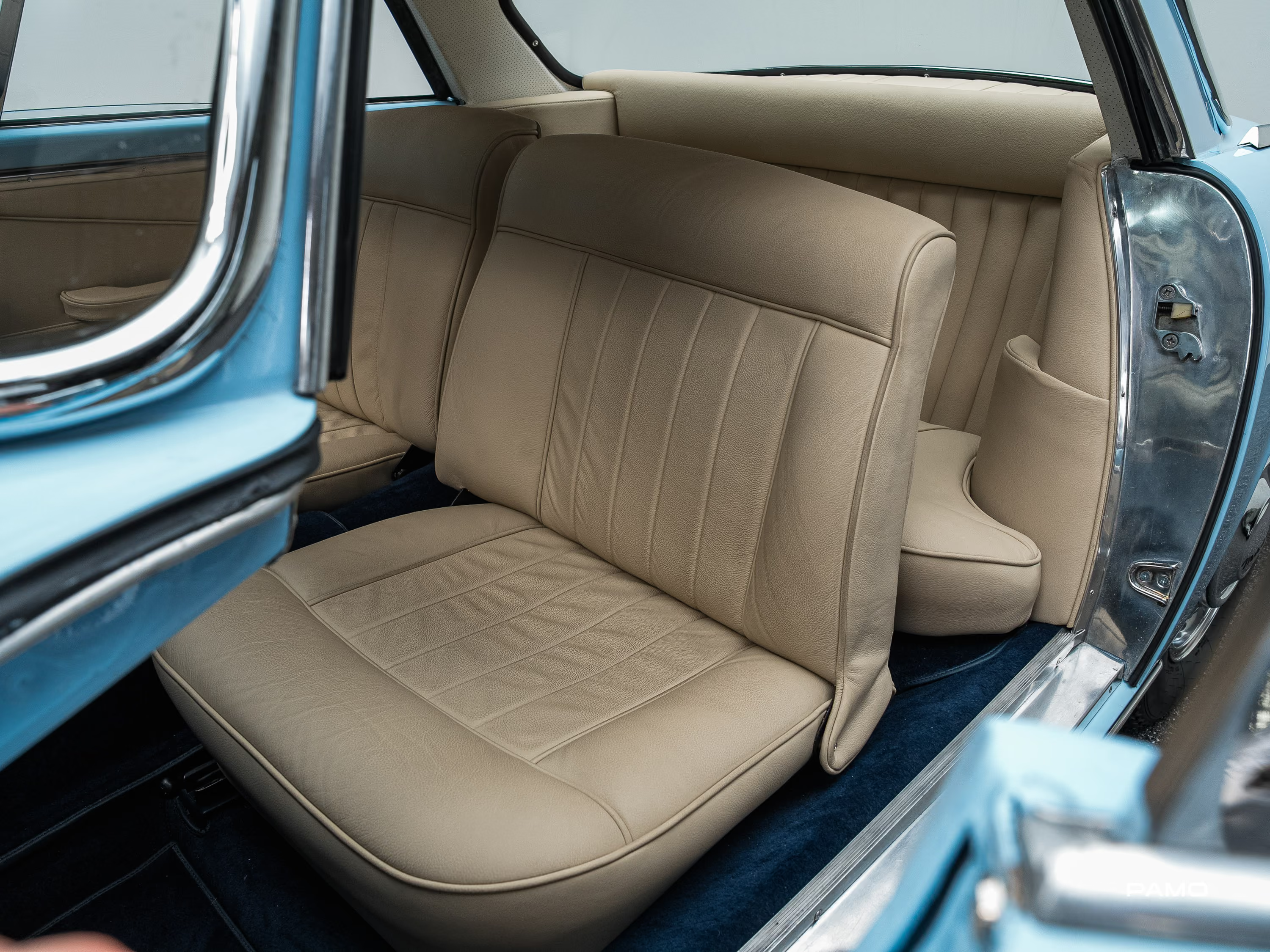
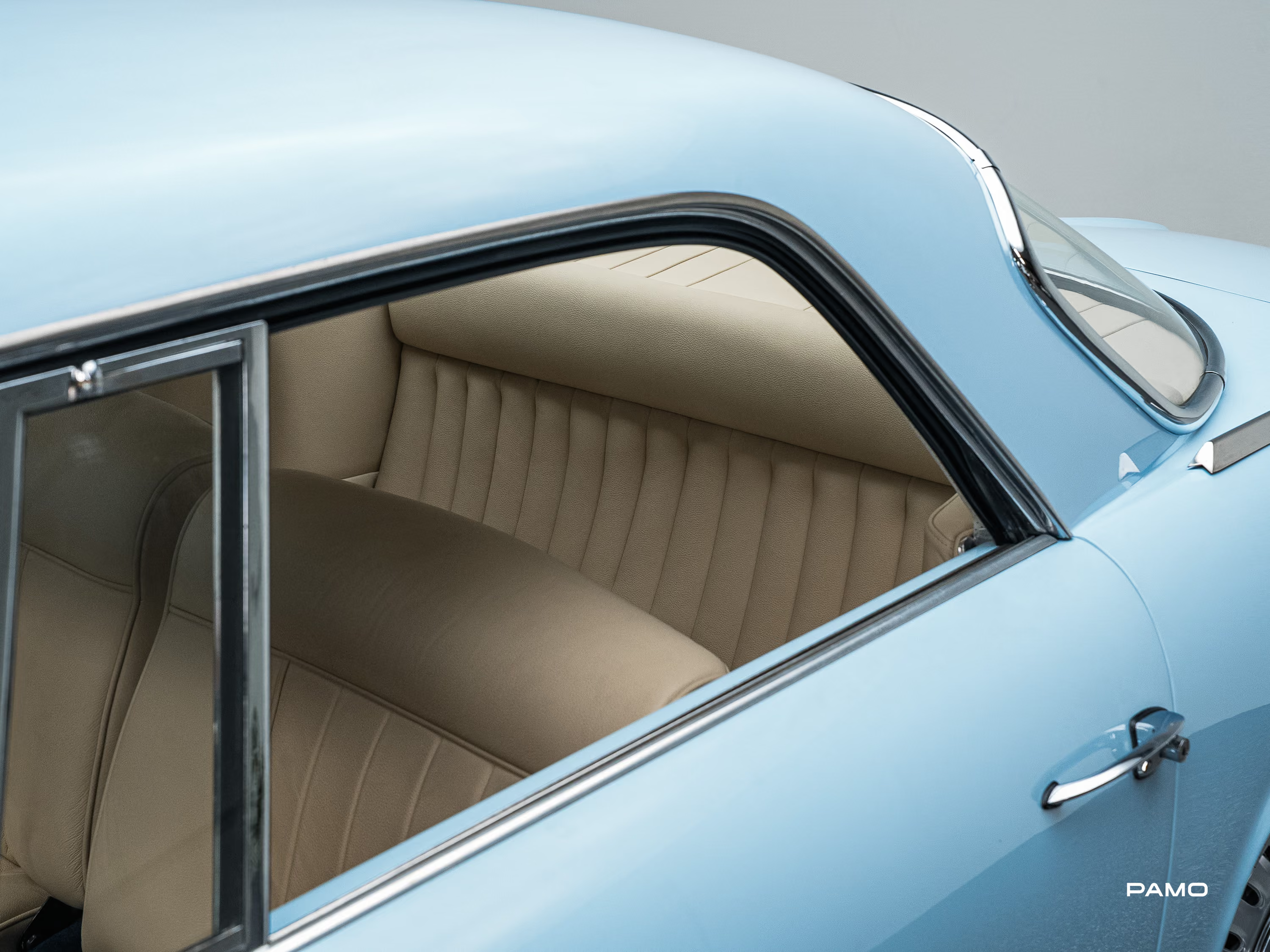
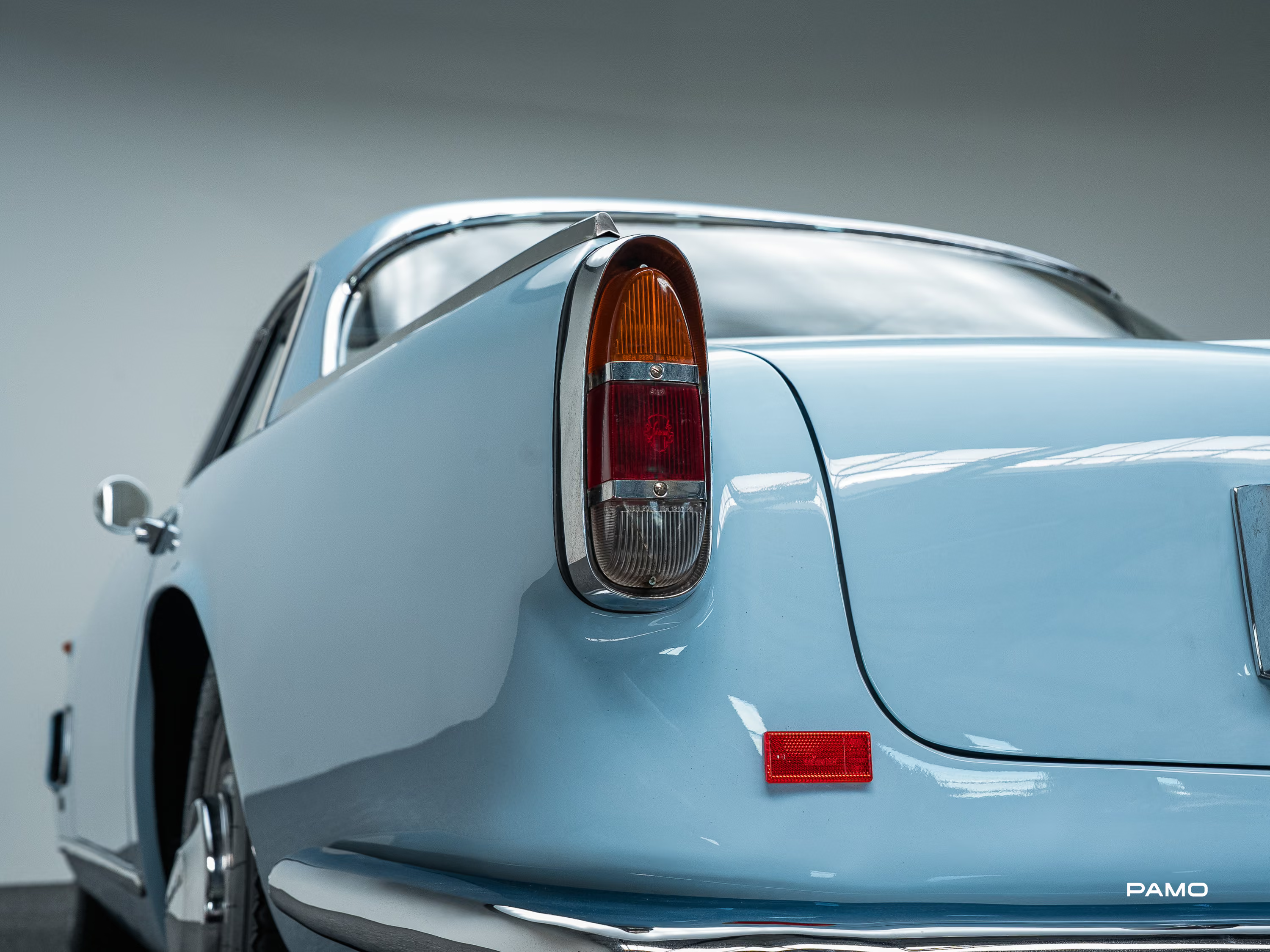
The Maserati 3500 GT Coupé offered here was delivered in 1959. Powered by a six-cylinder inline engine with two overhead camshafts, Maserati’s creations offered enough power reserves to hold their own against comparable Ferraris of that era. With a solid 220 to 235 PS, they were capable of quite impressive performance. The 3500 GT, available as a Vignale-designed convertible and a Touring-designed coupé, featured an aluminum body supported by a tubular frame. This design proved highly successful for the Modena-based company, as evidenced by the impressive total of 2,000 units built between 1958 and 1964.
Special features: Fully restored, Maserati certificate, photo documentation
History of the Maserati 3500 GT:
At the 1957 Geneva Motor Show, Maserati unveiled the 3500 GT as the successor to the A6G54. It featured a 3.5-liter inline-six engine with two overhead camshafts, derived from the Tipo 350S race car but detuned to 220, and later 235 PS, for road use. The suspension was kept relatively simple, featuring a rear leaf-spring rigid axle. The coupé bodies were primarily built by Touring, though there were also examples from Frua, Ghia, Bertone, and Allemano; the convertible variants, built on a wheelbase 10 centimeters shorter, were mostly produced by Vignale based on a Michelotti design. In 1960, the 3500 GT received front disc brakes; in 1961, it was equipped with a five-speed transmission and Lucas fuel injection. This model produced 235 PS and was designated the 3500 GTI. At the 1962 Turin Motor Show, Maserati unveiled the 3500 GTIS, or Sebring, a 2+2-seater coupe based on the shorter wheelbase of the 3500 GT convertible, with styling by Michelotti. The technical specifications were identical to those of the 3500 GTI. Starting in 1965, the Sebring was also available with larger inline-six engines with displacements of 3.7 or 4 liters, producing 245 and 255 PS, respectively. A total of 1,972 units of the 3500 GT and GTI were produced by 1962, and another 446 units of the Sebring were produced by 1969.
The Maserati 3500 GT Coupé offered here was delivered in 1959. Powered by a six-cylinder inline engine with two overhead camshafts, Maserati’s creations offered enough power reserves to hold their own against comparable Ferraris of that era. With a solid 220 to 235 PS, they were capable of quite impressive performance. The 3500 GT, available as a Vignale-designed convertible and a Touring-designed coupé, featured an aluminum body supported by a tubular frame. This design proved highly successful for the Modena-based company, as evidenced by the impressive total of 2,000 units built between 1958 and 1964.
Special features: Fully restored, Maserati certificate, photo documentation
History of the Maserati 3500 GT:
At the 1957 Geneva Motor Show, Maserati unveiled the 3500 GT as the successor to the A6G54. It featured a 3.5-liter inline-six engine with two overhead camshafts, derived from the Tipo 350S race car but detuned to 220, and later 235 PS, for road use. The suspension was kept relatively simple, featuring a rear leaf-spring rigid axle. The coupé bodies were primarily built by Touring, though there were also examples from Frua, Ghia, Bertone, and Allemano; the convertible variants, with a wheelbase 10 centimeters shorter, were mostly built by Vignale based on a Michelotti design. In 1960, the 3500 GT received front disc brakes; in 1961, it was equipped with a five-speed transmission and Lucas fuel injection; this model produced 235 PS and was designated the 3500 GTI. At the 1962 Turin Motor Show, Maserati unveiled the 3500 GTIS—or Sebring—a 2+2-seat coupe based on the shorter wheelbase of the 3500 GT convertible, with styling by Michelotti. Its technical specifications were identical to those of the 3500 GTI. Starting in 1965, the Sebring was also available with larger inline-six engines with displacements of 3.7 or 4 liters, producing 245 and 255 PS, respectively. A total of 1,972 units of the 3500 GT and GTI were produced by 1962, and another 446 units of the Sebring were produced by 1969.
We would also be happy to provide you with a customized leasing or financing offer.
Upon request, we can enhance your vehicle purchase with a high-quality paint protection film or ceramic coating—applied in our own detailing studio.
Learn more at: www.pamo-autopflege.de
Subject to prior sale and changes in equipment.
Please feel free to contact us for more information.
SELL WITH US
VISIT US
Got questions? Come by or call us.
Tel.: +49 7773 938 7730
Mail: info@pamocars.com